Your cart is currently empty.
Continua lo shopping
Staying on for Kenya's Tourist Areas: What to Know
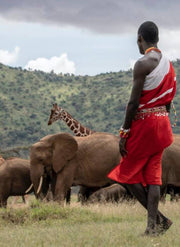
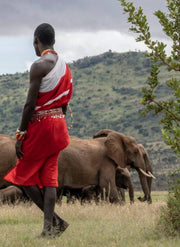
Kenya offers a diverse range of tourist attractions, from wildlife safaris in the Maasai Mara and Amboseli to the coastal beaches of Diani, as well as the conservancies in the Mount Kenya region like Ol Pejeta, and urban sites in Nairobi such as Karen and Westlands. Popular activities include wildlife observation, visits to national parks and reserves, beach holidays, and the exploration of cultural and historical sites.
In Kenya, national parks and reserves play a significant role in both tourism and conservation efforts.
Tourism significantly impacts global warming and climate change due to carbon emissions generated by various tourism activities.
Kenya Safari Advice & Safety
In Kenya Safari, certain hotels located within the national parks and reserves may implement reduced lighting or have a policy to switch off unnecessary lights during the night. This is frequently a proactive measure rather than a standard practice, and all our travellers/guests must understand the reasons for this approach.
Wildlife protection:
Many lodges/camps located in Kenyan parks and reserves are committed to minimizing the environmental footprint. Excessive artificial lighting can negatively impact nocturnal wildlife and disrupt their natural behaviors. By turning off lights at night time, reduce light pollution and aid in the conservation of these animals.
Nocturnal wildlife to be seen on Stay:
Many visitors opt to book accommodations at lodges or camps for a night drive or a nocturnal wildlife experience, as various animal species become active after sunset!
On a night game drive in Kenya, you'll observe a diverse array of nocturnal wildlife, including leopards, lions, and hyenas, along with smaller species such as bush babies, genets, and aardvarks. Additionally, frequent sightings may include hippos, honey badgers, civets, and bat-eared foxes. Our nighttime safaris provide a distinctive viewpoint on wildlife, enhancing sensory experiences and presenting the opportunity to witness animals that are predominantly active after sunset.
Resting in the shade is designated for daytime; nighttime is the time for hunting! During the night, guests are also likely to see many animals that are rarely observed during daylight hours, such as the nocturnal black-backed jackal and leopard. Unlike during the day, animals find it difficult to hide from humans at night. With the assistance of night vision technology and spotlights, finding animals at night is not a challenging task. However, it is an activity that should be undertaken with the highest level of caution – for both your safety and the safety of the wildlife.
What to do when Staying at a hotel within the Kenyan parks/reserve
-
Be prepared: Bring a reliable flashlight and power bank to navigate your room or the hotel grounds after dark.
-
Check with the lodge/camp: If you have any questions or concerns about lighting, ask the hotel staff for clarification. They may be able to provide a portable light source or explain their policies.
-
During the Game Walk, please avoid using flash photography while walking around the lodge or camp: The bright flash can disorient and frighten animals, potentially putting them at risk. Prior to taking any photographs, please consult your guide.
-
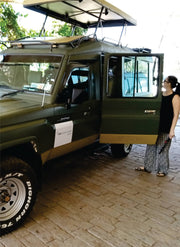
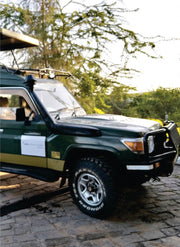
Stay inside the vehicle: It is crucial that you do not leave the vehicle during a night drive. This is vital for your safety and to avoid disturbing the wildlife.
-
Follow your guide's instructions: Your guide is trained to prioritize your safety and the well-being of the animals. Please comply with their guidance on when to remain quiet, when to move, and how to position the vehicle.